
The Biggest Branding Mistakes We See Across 100+ Brands (And Why Most Have Nothing To Do With Design)
- Team Wolken

- Jun 18
- 5 min read

When most businesses think about branding problems, they think about design. The logo feels outdated. The website needs refreshing. The colors don't feel premium enough. The visuals aren't standing out. So they assume the solution is obvious:
"We need a rebrand."
Sometimes they do. Most of the time, they don't.
After working with more than 100 brands across industries, growth stages, and markets, we've noticed something surprising:
The biggest branding mistakes are rarely visual. They're strategic. They're communication problems.
Positioning problems. Decision-making problems. Perception problems.
Design often gets blamed because it's the most visible part of a brand. But in many cases, it's simply reflecting deeper issues that already exist beneath the surface.
Why Branding Problems Are Often Misdiagnosed
Imagine a business struggling to generate demand. The website isn't converting. Social media isn't gaining traction. Prospects don't seem excited.
The natural response is to look at what people can see. The logo. The website. The visual identity. But branding isn't simply what people see. It's what people believe.
And beliefs are shaped long before design enters the conversation. When businesses focus exclusively on aesthetics, they often end up treating symptoms instead of causes.
The Wolken Observation
One of the clearest patterns we've seen across brand projects is this:
Businesses often know what they do. They struggle to explain why it matters. Internally, everything feels obvious. The founder understands the value. The team understands the value.
Existing customers understand the value. The market doesn't. And when that gap exists, growth becomes harder than it needs to be. Not because the business lacks expertise. Because it lacks clarity.
Mistake #1:
Confusing Branding With Visual Identity
This is the most common branding mistake we encounter.
Businesses think:
Logo = Brand
It doesn't. A logo is one expression of a brand. Branding includes:
messaging,
perception,
trust,
customer experience,
reputation,
recognition.
Strong visual identity can support a strong brand. It cannot create one independently.
Mistake #2:
Trying To Appeal To Everyone
Many businesses are afraid to narrow their focus. They worry that specificity will reduce opportunities. So they broaden everything.
Broader audience. Broader messaging. Broader positioning. Broader offers. The result? Nothing feels particularly relevant.
Brands become forgettable when they attempt to be universally appealing. The strongest brands are often remarkably specific.
Mistake #3:
Sounding Like Everyone Else
Every industry develops clichés. The same promises. The same language. The same positioning. Businesses claim to be:
innovative,
customer-centric,
results-driven,
passionate,
trusted.
Eventually, nobody stands out. The problem isn't that these statements are false. The problem is that they're generic. Generic claims rarely create preference.
The Wolken Differentiation Trap™
At Wolken, we call this:
The Differentiation Trap™
Businesses assume they're differentiated because they know what's unique internally. Customers don't see those internal realities. They only see what gets communicated externally. If your positioning sounds identical to competitors, your uniqueness remains invisible. And invisible differentiation creates no advantage.
Mistake #4:
Leading With Features Instead Of Outcomes
Businesses love explaining what they do. Customers care more about what happens because of it. For example:
Customers rarely buy:
social media management.
They buy:
visibility, trust, and growth.
They rarely buy:
branding.
They buy:
recognition, differentiation, and preference.
Features explain. Outcomes persuade. The strongest brands understand the difference.
Mistake #5:
Constantly Changing Direction
We've seen businesses:
rebrand every year,
rewrite messaging repeatedly,
change positioning constantly,
chase every trend.
The intention is usually positive. The outcome isn't. Brand equity compounds through repetition. People need time to understand who you are. When businesses change direction too frequently, recognition never develops.
Mistake #6:
Building The Brand Around The Business Instead Of The Customer
Many brands communicate from their own perspective. They talk about:
their journey,
their expertise,
their process,
their achievements.
Meanwhile, customers are thinking:
"How does this help me?"
Strong brands connect their expertise to customer outcomes. The customer doesn't need to become the hero. But they do need to understand why the story matters to them.
Mistake #7:
Ignoring Founder Visibility
This has become increasingly important. Many businesses invest heavily in company branding while keeping founders invisible. Meanwhile, trust continues shifting toward people. Customers want to know:
who they're buying from,
who they're partnering with,
who is behind the business.
Founder visibility doesn't replace business branding. It strengthens it. Businesses that ignore this opportunity often grow more slowly than they need to.
What External Research Suggests
Research across trust, consumer behavior, and decision-making consistently points toward the same themes:
clarity matters,
familiarity matters,
trust matters,
differentiation matters.
Customers rarely conduct perfect evaluations. They simplify decisions. They choose businesses that feel easier to understand and easier to trust. Strong branding supports that process. Weak branding creates friction.
Mistake #8:
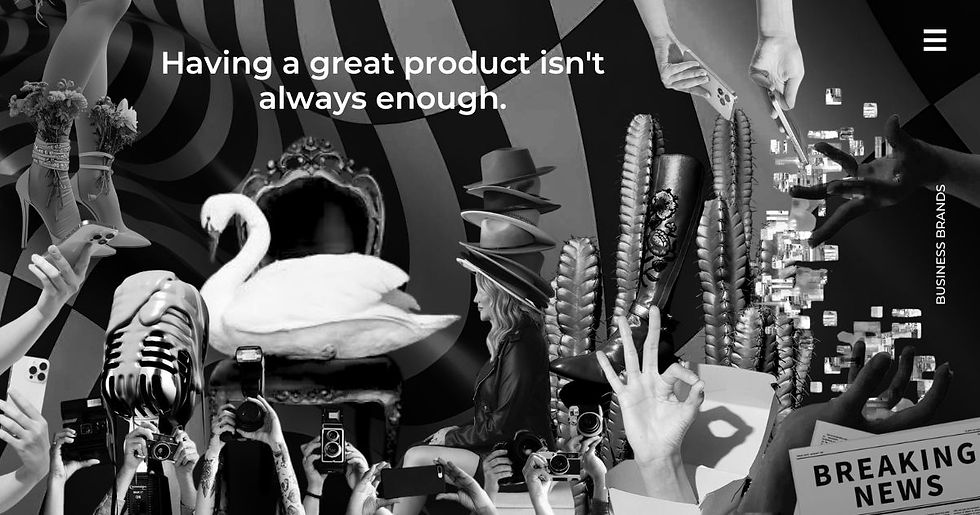
Assuming Good Work Speaks For Itself
This is one of the most expensive assumptions businesses make. The thinking goes:
"If we're good enough, people will eventually notice."
Sometimes they do. Often they don't. Visibility is not vanity, it's distribution.
Exceptional work deserves attention, but attention rarely arrives automatically. The strongest businesses actively communicate their value instead of hoping people discover it.
The Wolken Brand Clarity Framework™
When evaluating a brand, we often start with five questions.
Clarity
Do people understand what you do?
Relevance
Do they care?
Differentiation
Do they understand why you're different?
Credibility
Do they believe you?
Consistency
Do they encounter the same message repeatedly?
Weakness in any area creates friction. Strength across all five creates momentum.
What The Strongest Brands Do Differently
Across industries, successful brands tend to:
simplify their messaging,
choose a clear position,
repeat it consistently,
communicate customer outcomes,
invest in visibility,
align brand experience with brand promises.
None of these decisions feel revolutionary. Their power comes from repetition. Consistency turns simple ideas into strong brands.
Actionable Takeaways
If you're evaluating your brand today, start here.
1. Audit Your Messaging
Could a customer immediately explain what you do and why it matters?
2. Define Your Difference
Not internally. Externally. Can the market see it?
3. Review Customer Outcomes
Focus less on features. Focus more on transformation.
4. Increase Visibility
Don't assume great work automatically gets discovered.
5. Commit To Consistency
Strong brands are built through repetition, not reinvention.
Final Thoughts
After working with more than 100 brands, we've become convinced of one thing: Most branding problems aren't visual. They're strategic. The logo isn't usually the issue. The website isn't usually the issue. The color palette isn't usually the issue.
The real challenge is often helping the market understand who you are, why you matter, and why you're worth choosing. Design supports that process. Strategy drives it. And the strongest brands understand the difference.
FAQ
What is the biggest branding mistake businesses make?
The most common mistake is confusing branding with visual identity and overlooking positioning, messaging, and perception.
Does branding matter if the product is good?
Yes. Strong products still need visibility, trust, and differentiation to succeed in competitive markets.
How often should businesses rebrand?
Only when there is a meaningful strategic reason. Frequent rebrands can weaken recognition and brand equity.
Why do businesses struggle to differentiate themselves?
Many communicate generic claims rather than clearly articulating what makes them unique and valuable.
Is branding more than design?
Absolutely. Branding includes positioning, messaging, trust, reputation, customer experience, and perception—not just visuals.


Comments