
Why Great Businesses Don't Win on Products Alone

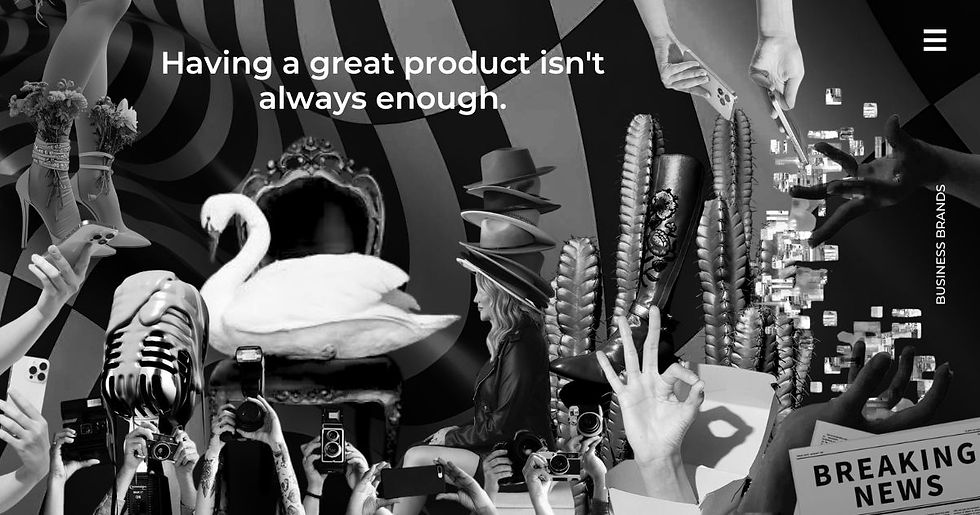
"We have a great product."
It's one of the most common things business owners say when they're frustrated that growth isn't happening fast enough. And often, they're right.
The product is great. The service genuinely helps people. The team cares. Customers who eventually buy are happy. So why does growth still feel harder than it should?
Because the market doesn't reward quality alone. It rewards perceived value. It rewards trust. It rewards familiarity. It rewards businesses that make choosing them feel easier.
If having the best product automatically led to the best outcomes, countless incredible businesses wouldn't be struggling to get noticed while mediocre competitors continue to grow. But every day, they do.
Because products matter. Businesses matter more.
The Myth of "The Best Product Wins"
Most founders believe the equation looks like this:
Better Product = More Customers
It sounds logical. Build something exceptional. People will naturally choose it. The reality is messier.
People don't evaluate every available option objectively. They make decisions using shortcuts. They ask themselves:
Have I heard of them before?
Do they seem trustworthy?
Do they understand people like me?
Can I justify this decision?
Does this feel like the safer choice?
The strongest businesses understand that buying decisions are emotional first and rational second. The best product isn't always chosen. The product that feels like the right choice often is.
The Wolken Observation
After working across industries and brand categories, we've noticed something interesting:
Businesses frequently underestimate how difficult it is to be chosen. Not because they're bad. Because they're invisible.
They assume customers know:
how much expertise exists behind the scenes,
how much care goes into the process,
how much experience they have,
why their approach is different.
But customers don't experience what happens inside the business. They experience what the business communicates externally. The gap between those two realities often determines growth.
What Is a Business Brand?
A business brand isn't your logo. It isn't your color palette. It isn't your tagline. A business brand is the collection of perceptions people hold about your company.
It's what people expect from you before they ever interact with you. It's the answer to the question:
"What comes to mind when someone mentions your business?"
Strong business brands create confidence. Weak business brands create uncertainty. And uncertainty slows decisions.
Why Familiarity Matters
Imagine two businesses offering similar products.
One is unfamiliar. The other is recognizable. You've seen their content. You've heard others mention them. You've encountered them repeatedly.
Which feels safer?
Most people choose familiarity. Not because they're irrational. Because familiarity reduces perceived risk. People don't simply buy products. They buy confidence in outcomes.
Businesses that consistently show up become easier to trust.
The Wolken Confidence Curve™
At Wolken, we believe business growth often follows what we call:
The Wolken Confidence Curve™
Awareness
People discover your existence.
Familiarity
They encounter you repeatedly.
Credibility
They begin believing your claims.
Confidence
They trust your ability to deliver.
Commitment
They become customers.
Advocacy
They recommend you to others.
Every stage strengthens the next. Businesses that skip stages often struggle to convert attention into action.
Products Can Be Copied
One uncomfortable truth about business:
Products evolve. Features get replicated. Pricing changes. Competitors adapt. What feels unique today can become standard tomorrow.
But reputation compounds. Trust compounds. Relationships compound. The businesses that build emotional and psychological advantages create resilience that competitors struggle to imitate.
Because while products can be copied, perception is much harder to steal.
Why Experience Is Part of the Brand
Many businesses think branding stops once the sale happens. In reality, the experience is the brand. Customers remember:
how quickly you responded,
how clearly you communicated,
how problems were handled,
how they felt during the process,
whether expectations were met.
Every interaction reinforces or weakens perception. A beautiful brand experience cannot compensate for poor delivery. Likewise, exceptional delivery strengthens everything that came before it.
The Biggest Business Branding Mistakes We See
Certain patterns appear repeatedly.
Mistake 1: Assuming Quality Speaks for Itself
It doesn't.
Visibility matters.
Communication matters.
Perception matters.
Mistake 2: Trying to Appeal to Everyone
Broad messaging often resonates with no one.
Specificity builds relevance.
Mistake 3: Inconsistency
Different messages.
Different experiences.
Different promises.
Trust requires consistency.
Mistake 4: Treating Branding as Design
Identity supports perception.
It doesn't create it independently.
Mistake 5: Forgetting Existing Customers
Many businesses obsess over acquisition while neglecting retention.
Advocates often become the strongest growth channel.
What External Research Suggests
Research across consumer behavior and trust consistently highlights the role of familiarity and credibility in decision-making. People seek reassurance. They reduce uncertainty. They gravitate toward businesses that feel established, understandable, and dependable.
Brand strength often influences choices long before rational comparisons begin. The strongest businesses understand this. They intentionally shape perception rather than leaving it to chance.
The Wolken Business Brand Equation™
We think strong business brands combine five elements.
Clarity
Do people understand what you do?
Consistency
Do they receive the same message repeatedly?
Credibility
Do they believe you?
Experience
Do you deliver on expectations?
Advocacy
Would customers willingly recommend you?
Weakness in any one area creates friction. Strength across all five builds momentum.
Why Businesses Need Brands More Than Ever
Customers have options. Endless options.
They can compare products instantly. Research competitors within minutes. Read reviews before making decisions.
The businesses that thrive aren't always the cheapest. They aren't always the biggest. They're often the businesses that reduce uncertainty most effectively.
Businesses that communicate clearly. Show up consistently. Deliver exceptional experiences. And earn trust over time.
A strong brand doesn't eliminate competition. It changes how people evaluate it.
Actionable Takeaways
If you want to strengthen your business brand, start here.
1. Define What You Want to Be Known For
If customers had to describe you in one sentence, what would you want them to say?
2. Audit Every Touchpoint
Review:
your website,
your proposals,
your social media,
your customer experience.
Do they align?
3. Increase Visibility
Exceptional businesses still need to be discovered.
Don't rely on word-of-mouth alone.
4. Deliver Consistently
Trust compounds through repeated positive experiences.
5. Create Advocates
Ask satisfied customers for testimonials, referrals, and stories.
Their voices often carry more weight than your own.
Final Thoughts
Great businesses don't grow because they have the best products. They grow because they make people feel confident in choosing them.
Products matter. Pricing matters. Operations matter. But the businesses people remember are the ones that consistently communicate who they are, reinforce why they matter, and deliver experiences worth talking about.
Because in crowded markets, being better isn't enough. People need a reason to believe it. And the strongest business brands ensure they do.
FAQ
Is a great product enough to grow a business?
Not always. Trust, visibility, familiarity, and customer experience significantly influence buying decisions.
What is a business brand?
A business brand is the perception people hold about your company based on their interactions, observations, and experiences.
Why does familiarity matter?
Familiarity reduces perceived risk and increases confidence, making people more likely to choose a business.
Is branding just visual identity?
No. Branding encompasses perception, communication, trust, consistency, and experience—not just design.
How can businesses strengthen their brands?
By increasing clarity, showing up consistently, delivering excellent experiences, and turning satisfied customers into advocates.

Comments